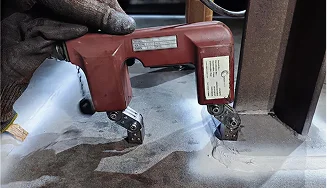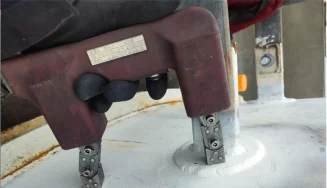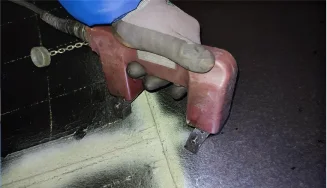

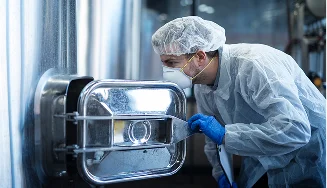
Positive Material Identification (PMI) Testing is a critical Non-Destructive Testing (NDT) method used to verify the chemical composition of metallic materials and alloys. PMI ensures that the correct materials are used in fabrication, welding, and installation processes, helping to prevent material mix-ups that could lead to premature failure, corrosion, or safety risks. At Expert Inspect, our PMI Testing services provide accurate, on-site alloy verification to support quality assurance, regulatory compliance, and asset integrity management.
PMI Testing is typically performed using advanced portable analytical instruments such as X-ray fluorescence (XRF) or Optical Emission Spectroscopy (OES) devices. These handheld systems quickly analyze the elemental composition of metals by detecting characteristic energy signatures emitted from the material. Within seconds, inspectors can confirm whether a component meets the specified grade, including stainless steels, carbon steels, duplex alloys, nickel alloys, and other specialty materials , without causing damage to the test item.
In industrial welding inspection and testing, PMI plays a vital role in verifying base materials, filler metals, and completed welds. It is commonly applied during fabrication, construction, maintenance, and shutdown projects across industries such as oil & gas, petrochemical, power generation, pharmaceutical, marine, and heavy manufacturing. Ensuring correct material selection is especially critical in high-temperature, high-pressure, or corrosive service environments where incorrect alloy composition could compromise safety and performance.
One of the key advantages of PMI Testing is its speed and efficiency. Portable equipment allows testing to be carried out directly on installed components, pipelines, valves, flanges, structural steelwork, and pressure vessels without dismantling. This reduces downtime while providing immediate confirmation of material compliance with engineering specifications and industry standards.
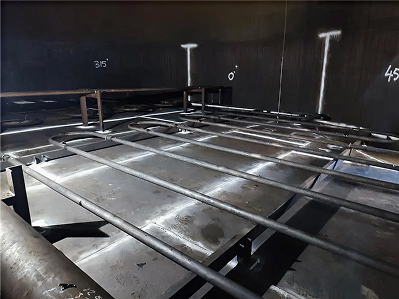
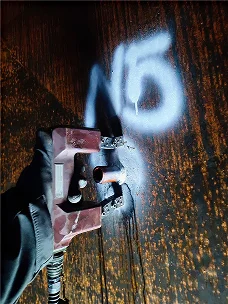
At Expert Inspect, our qualified technicians are trained in equipment calibration, alloy grade verification, and interpretation of test results. We follow strict procedures to ensure accurate readings, correct surface preparation, and proper documentation. Each PMI inspection is conducted in accordance with project specifications, quality control plans, and applicable industry codes.
PMI Testing is often integrated with other inspection methods such as visual inspection (VT), ultrasonic testing (UT), radiographic testing (RT), hardness testing, and welding inspection services. When combined, these techniques provide a comprehensive assessment of both the material composition and structural integrity of critical components.
Comprehensive reporting is a fundamental part of our PMI service. Expert Inspect provides detailed documentation including test locations, identified alloy grades, elemental breakdown percentages, and any non-conformances detected. These traceable records support quality audits, regulatory compliance, and long-term asset management programmes.
By incorporating Positive Material Identification Testing into your inspection and quality assurance strategy, you significantly reduce the risk of material failure, ensure compliance with design specifications, and protect the integrity of your assets. Expert Inspect delivers precise, reliable PMI services that help maintain the highest standards of safety, quality, and operational performance across all industrial environments.