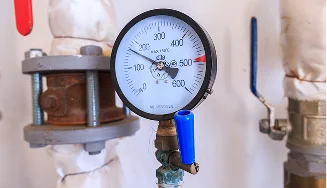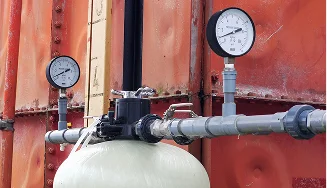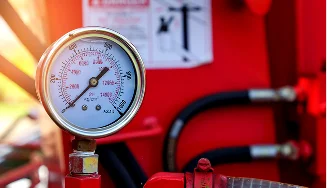

Pneumatic Pressure Testing is a specialized non-destructive test used to assess the integrity and leak tightness of pressure vessels, pipelines, storage tanks, piping systems, and welded assemblies by pressurizing them with compressed air or inert gas. Unlike hydrostatic testing, which uses liquid, pneumatic testing involves gas media, making it particularly useful for systems that cannot tolerate moisture or where fluid contamination must be avoided. At Expert Inspect, our pneumatic pressure testing services ensure that your systems meet design criteria and regulatory requirements before commissioning, during maintenance, and after fabrication.
During pneumatic pressure testing, the test item is sealed and gradually pressurized with compressed air or nitrogen to a predetermined level based on industry codes, project specifications, or design parameters. Our qualified technicians monitor pressure stability and inspect the test surface for signs of leakage, deformation, or failure. Because gas behaves differently than liquids under pressure, Expert Inspect follows stringent safety protocols and controlled procedures to protect personnel and equipment throughout the testing process.
Pneumatic pressure testing is widely used in sectors where dry testing is essential — including petrochemical, oil & gas, power generation, industrial fabrication, and manufacturing plants. It is particularly beneficial when hydrostatic testing is impractical due to temperature constraints, the risk of corrosion, or the potential for water entrapment within closed systems. By choosing pneumatic testing, clients reduce drying times, prevent contamination, and obtain reliable indications of system performance under operational conditions.
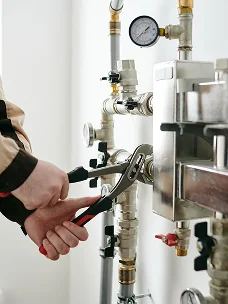
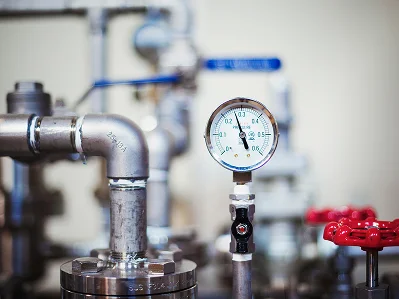
At Expert Inspect, we utilize calibrated pressure gauges, digital transducers, and precision instrumentation to ensure accurate measurement and recording of test parameters. Our team prepares detailed test plans, conducts pre-test inspections, and verifies that all safety devices, relief valves, and isolation points are correctly configured before pressurization begins. This meticulous approach helps to minimize risk and provides clients with confidence in the integrity of the tested system.
One of the key advantages of pneumatic pressure testing lies in its ability to highlight leaks, flaws, or weaknesses that may not be visible during visual or low-pressure examinations. With highly trained inspectors monitoring pressure decay, audible emissions, and structural response, even small leaks can be detected early, allowing for corrective action before the system enters service. This predictive insight is invaluable for preventing costly failures and unplanned downtime.
Because pneumatic testing involves compressible fluids, it requires a higher degree of safety planning than liquid-based tests. Expert Inspect strictly adheres to national and international safety standards, including controlled pressurization rates, protective barriers, and exclusion zones during testing. Our technicians are certified and experienced in working with high-pressure systems, ensuring that every test is conducted safely, efficiently, and in full compliance with applicable regulations.
As part of our comprehensive service offering, Expert Inspect provides full documentation of all pneumatic tests, including test procedures, pressure charts, results, and any corrective actions taken. These reports are designed to support project audits, quality assurance records, and regulatory compliance. Whether your project involves new construction, an upgrade, or a routine inspection cycle, our pneumatic pressure testing solutions are tailored to meet your specific requirements.
By integrating pneumatic pressure testing into your quality control and inspection program, you enhance operational safety, validate system performance, and mitigate the risk of in-service failures. Expert Inspect’s commitment to excellence, technical precision, and robust reporting ensures that your pressure systems are tested to the highest industry standards, protecting your assets, workforce, and reputation.