
Vacuum Box Testing is a reliable and widely used Non-Destructive Testing (NDT) method designed to detect surface-breaking leaks, cracks, and discontinuities in welded joints, lap seams, vessel walls, tanks, pipelines, and other fabricated structures. This technique is particularly effective for inspecting welded joints on flat surfaces and circumferential welds in piping systems where access may be limited. At Expert Inspect, our Vacuum Box Testing services help ensure the integrity of critical welds and prevent leaks before they compromise safety, performance, or regulatory compliance.
The Vacuum Box Testing process begins with the area to be inspected being cleaned and coated with a suitable liquid soap solution or leak-indicating agent. A specially designed vacuum box, a transparent enclosure with a soft gasket perimeter is placed over the test area and sealed. A vacuum pump then draws air from inside the box, creating a negative pressure. If there is a surface-breaking defect in the weld or base material, air will be drawn through the discontinuity, causing bubbles to form in the soap solution. These bubbles provide a clear visual indication of a leak location.
Vacuum Box Testing is widely used in industries such as petrochemical, oil & gas, power generation, marine, and heavy fabrication for inspecting tanks, pressure vessels, pipe butt and fillet welds, and structural components. It is particularly valuable in situations where hydrostatic testing is impractical or where access for other NDT methods is limited. The method offers rapid feedback, enabling technicians to quickly locate and evaluate potential defects with precision.
One of the key advantages of Vacuum Box Testing is its non-intrusive nature. Because it relies on controlled negative pressure and surface visualization, it does not require disassembly or cut-outs, minimising disruption to ongoing construction or maintenance activities. Additionally, it can be performed on large surface areas efficiently, making it a cost-effective complement to other welding inspection techniques.
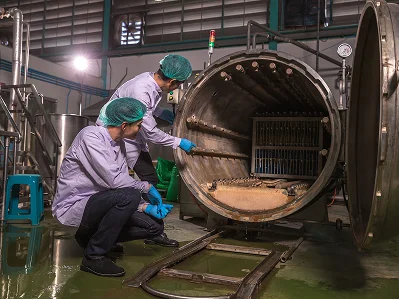
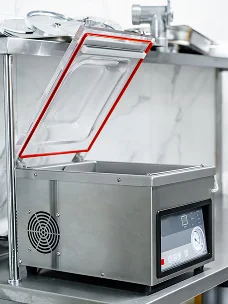
At Expert Inspect, our technicians are trained in proper surface preparation, vacuum box setup, and interpretation of results to ensure high accuracy and reliability. We use industry-approved equipment, calibrated vacuum pumps, and certified leak detection solutions to maintain consistency and safety throughout the testing process. Each test is performed in accordance with applicable industry standards, project specifications, and regulatory requirements.
Vacuum Box Testing is often integrated as part of a broader NDT strategy that includes Ultrasonic Testing (UT), Radiographic Testing (RT), Magnetic Particle Testing (MT), and visual inspection (VT). When used in combination with these methods, Vacuum Box Testing enhances overall defect detection coverage and strengthens quality assurance for welded assemblies and structural components.
Expert Inspect also provides detailed documentation of Vacuum Box Testing results, including test setup photos, defect mapping, and corrective action recommendations where applicable. These comprehensive reports are essential for quality records, project audits, and compliance verification, giving clients confidence in the condition and performance of their assets.
By incorporating Vacuum Box Testing into your inspection programmes, you enhance safety, improve operational reliability, and reduce the likelihood of costly in-service failures. Expert Inspect’s commitment to technical excellence, thorough testing, and clear reporting ensures that your welded structures and pressure-containing systems meet the highest standards of integrity and performance.