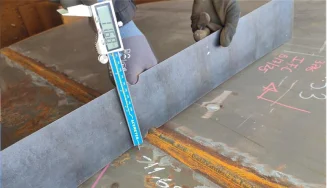

Visual Inspection (VT) in Non-Destructive Testing (NDT) is a fundamental examination technique that involves evaluating the surface condition of materials, components, welds, and assemblies without causing any harm. It uses both the inspector’s trained eyesight and a range of optical tools to identify visible surface discontinuities and irregularities.
This method is widely recognised as the first step in all NDT procedures, as it helps determine whether further testing is needed. Before any advanced techniques such as ultrasonic, radiographic, or eddy current testing are applied, Visual Inspection provides a baseline understanding of the component’s condition.
Inspectors performing VT are trained to recognise common defect indicators such as cracks, corrosion, misalignment, surface porosity, incomplete weld profiles, deformation, and other anomalies that could compromise structural integrity. These findings are documented and used to guide more detailed assessments.
Visual Inspection can be conducted with no special equipment, but its accuracy and effectiveness increase when optical aids are used. Tools such as magnifying lenses, mirrors, borescopes, and high-intensity lighting help enhance the inspector’s ability to see fine surface details, especially in hard-to-reach areas.
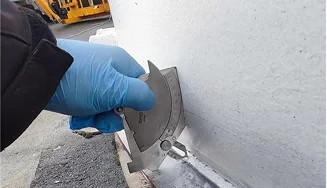
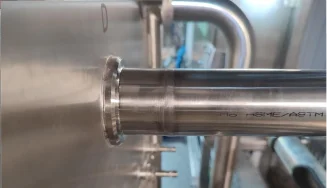
In industrial environments, VT is commonly supported by measuring devices such as weld gauges, fillet gauges, and footage scales to quantify defect size and location. By establishing precise measurements, Visual Inspection ensures that components meet specified engineering and quality standards.
The applications of VT span across many sectors including manufacturing, fabrication, construction, oil and gas, aerospace, and infrastructure. Whether inspecting pressure vessels, pipelines, structural steel, or complex machinery, Visual Inspection helps safeguard safety and performance before equipment is put into service.
One of the key advantages of Visual Inspection is its speed and cost-effectiveness. It requires minimal setup and can often be carried out with simple tools, making it an efficient way to screen components and identify obvious issues before allocating more time and resources to advanced NDT methods.
At Expert Inspect, Visual Inspection is performed by experienced technicians who understand industry codes, client specifications, and regulatory requirements. When VT reveals surface indications, these are recorded in detailed inspection reports along with recommendations for follow-up testing or corrective action to maintain quality and safety compliance.
Visual Inspection also plays a critical role in routine maintenance and periodic condition monitoring programs. By conducting scheduled visual assessments, potential issues such as early-stage corrosion, coating failure, mechanical damage, or weld deterioration can be detected before they escalate into serious structural problems. This proactive approach helps extend equipment lifespan, reduce downtime, and ensure continued compliance with safety and quality standards across industrial operations.